
A Beginner’s Guide to Becoming a Safe Driver: Proven Tips for Everyone
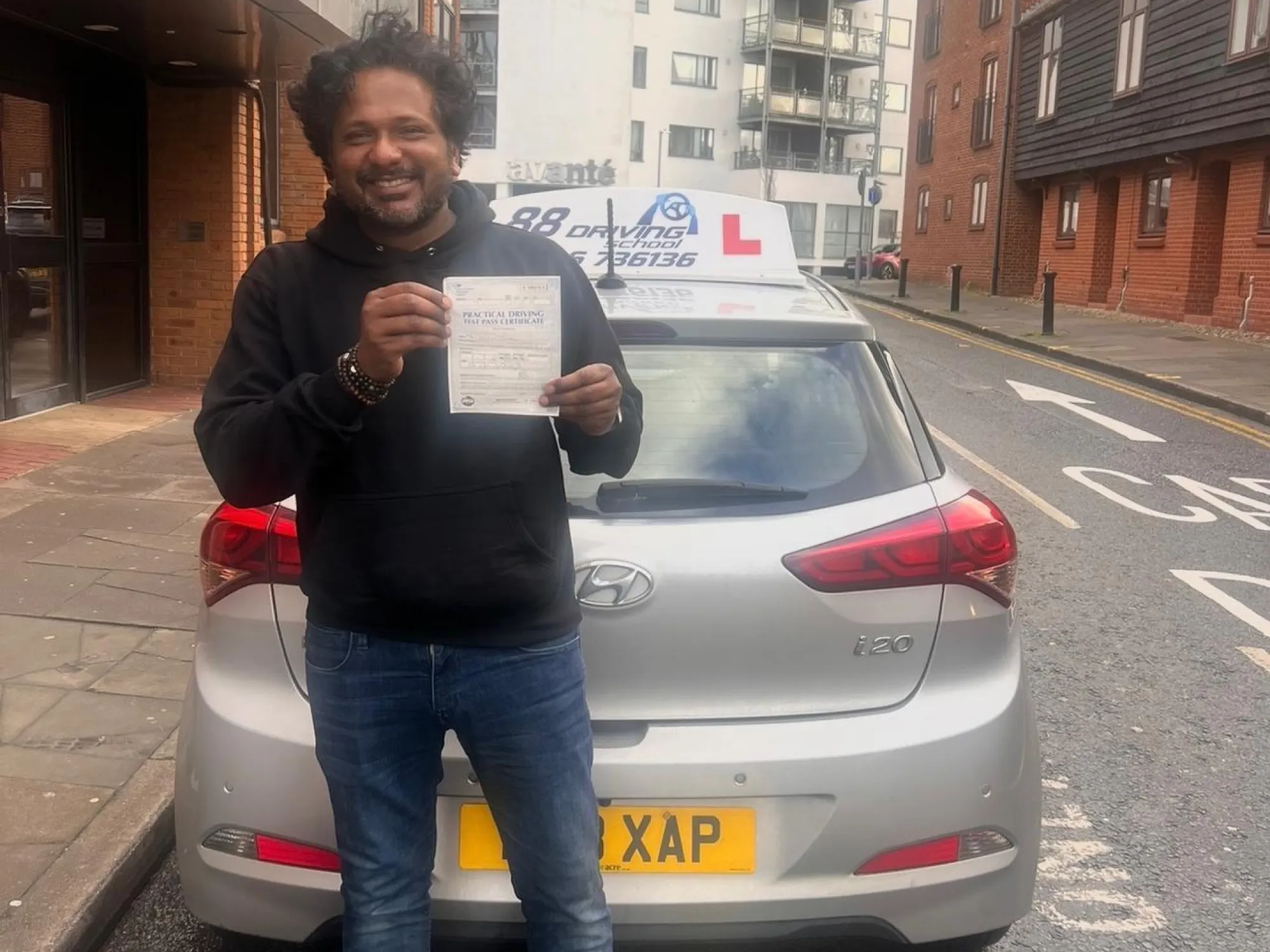
Learning to drive is already busy. You have to watch the road, feel the car, and deal with traffic. Trying to hold a long list of rules in your head at the same time makes it harder.
Take it step by step.
Start with basic tasks in the early lessons. You will likely practice pulling away, stopping, turning, and using the gears. After that, you can move on to junctions, roundabouts, busy roads, and different road types. Each part gives you something new to work on.
But there are a few habits that are worth getting right from the beginning.
Get To Know The Car
Before you go onto a busy road, make sure you feel at ease in the car.
Spend some time with the pedals. Notice how they feel under your foot. Also get a sense of how much you need to turn the wheel.
If you are driving a manual, you will have to learn the clutch and the gear shifts too. With an automatic, there are fewer controls to watch, but you still need to know how the car reacts when you press the gas and brake.
It may take a few lessons before it all feels natural. That is expected.
Keep Looking Around You
Driving is not just about watching what is directly in front of your bonnet.
Look further along the road and check what is happening at the sides. A pedestrian may be approaching a crossing. A vehicle may be waiting to pull out. Traffic further ahead may already be slowing down.
Spotting these things early gives you more time to deal with them.
You will also get better at this with practice. At first, your instructor may point things out that you had not noticed. Try to understand what they saw and why it mattered.
Remember Your Mirrors
Your mirrors should be part of your normal driving. Check them when you need to know what is behind or beside you, particularly before changing direction or moving position on the road.
For example, if you want to move around a parked vehicle, you need to know whether another car is coming up behind you. A quick mirror check can give you that information before you move.
Do not forget your blind spots either. Your instructor will show you when you need to check them.
Leave Some Space
You do not need to drive right behind the car in front.
Leaving a decent gap gives you more time if the driver suddenly brakes. It also means you are less likely to spend the whole journey braking and accelerating every few seconds.
The gap may need to be larger in rain or other poor conditions.
If traffic is moving slowly, it can be tempting to close the gap as soon as the car ahead moves. There is usually no need. Give yourself some room.
Take Your Time At Junctions
Junctions can be one of the more difficult parts of driving when you are starting out.
You may have to look in several directions, judge traffic and decide when there is enough space to move.
If you cannot see clearly, do not guess.
Take a moment and look clearly first. Then you can decide in a safe way. As you practice, you will start to judge things faster. Still, when you are learning, you do not have to hurry.
Do Not Copy Impatient Drivers
Once you start driving regularly, you will see people doing things you would not necessarily choose to do.
Someone may overtake when there is very little space. Another driver may drive close behind you because they want you to go faster.
No need to say those lines again.
If you feel unsure, stop for a moment and let it go. Use a safer opening when it comes up. It is often easier to deal with someone who is insistent than to live with the mess from a quick decision.
Put The Phone Away
There is not much to say about this one.
While you are driving, keep your eyes on the road.
Try not to use your phone at all when the car is in motion. Do not read messages, check notifications, or change settings on the screen. If you need to call someone or deal with something else, stop first in a safe, legal spot.
It is also worth setting your sat-nav before you set off. That saves you from trying to sort out directions while you are on the road.
Be Careful With Music And Passengers
When you practice with an instructor, another person rides along on purpose. They are there if you run into trouble. It is not the same as being in the car with friends.
With friends, the vibe can change fast. They might talk the whole time. Someone may play music. They may throw out random questions. You are trying to stay focused, but their comments can pull you off track. This can feel extra hard right after you take your test.
If the noise builds up, you can speak up. Ask them to lower the sound and keep it calm for a while. Tell them you need a bit of quiet so you can concentrate.
It is okay to admit you are still getting used to driving on your own.
Think About The Weather
A road can seem different fast when the sky changes. When it rains, you may not see as far. Stopping can also take longer than you expect.
On a sunny day, bright light can reflect off the surface. That glare can mask edges and shadows you rely on.
In cold weather, hidden wet patches can turn into slippery ice. You might not notice them until it is too late.
So slow down a bit and leave more space in front of you.
Your instructor at 88 Driving School, will give you opportunities to learn how different conditions affect driving. Pay attention to these lessons because you will not always have perfect weather once you are driving by yourself.
Do Not Drive When You Are Too Tired
Sometimes the safest decision is not to drive.
If you have had a long day and can barely keep your eyes open, getting behind the wheel is not a good idea. Tiredness can make it harder to concentrate and react properly.
If you start feeling tired during a longer journey, find somewhere suitable to stop and take a break.
A journey can wait. Getting there safely is more important.
What Happens After You Pass?
You will probably notice that driving on your own feels different at first. It is not like someone sits beside you and says when to turn. There is no one reminding you to look at the details as you go.
You need to decide by yourself.
Even so, that does not mean you should speed off and drive everywhere right away. Start with routes you know and gradually try places that are less familiar. You will come across situations you did not expect. Building skill takes time on the road.
If you run into a problem, do not panic. Handle it in a safe way, not in a rush.
Safe Driving Is Mostly About Good Habits
You do not need a secret method to drive safely.
Look at what is around you. Check your mirrors often. Keep a good gap between you and other cars. Obey the signs. Slow down or speed up only when the road situation changes.
If you are unsure, pause for a second, then decide.
These are simple things, but they are the habits you will rely on every time you drive – not just when you are taking your test. At 88 Driving School, we will guide you with proper driving skills and good habits which are most important while driving.